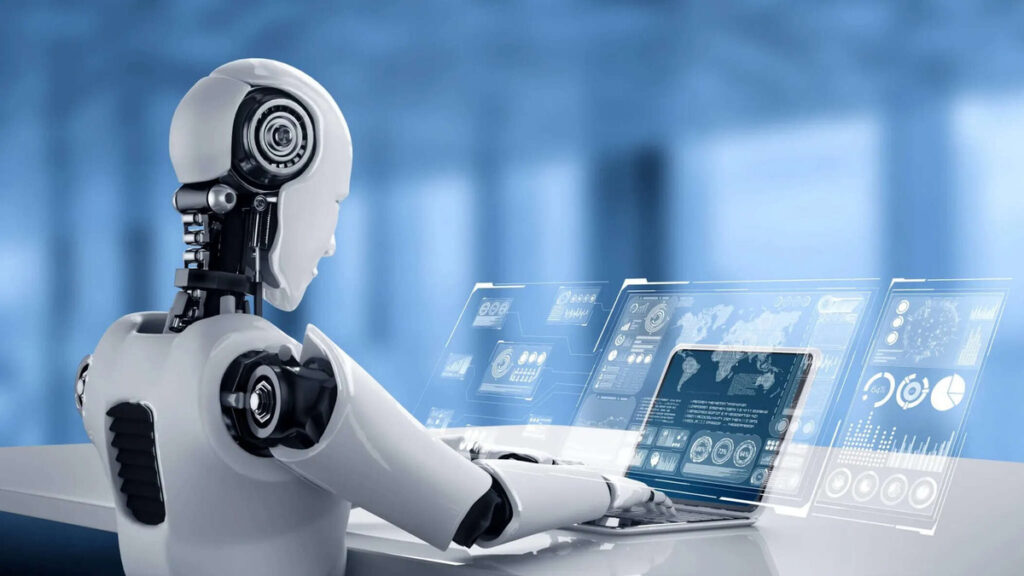
The Future of AI: What Beginners Should Expect
Artificial Intelligence is growing fast, and people hear about it everywhere—in the news, at work, in schools, and in technology apps. For beginners, this constant exposure can create confusion or fear about what AI will become in the future.
Some think AI will replace humans entirely. Others believe AI will solve all problems automatically. Both ideas are misconceptions. The reality is calmer and more positive: AI will grow as a helpful tool, not a replacement for humans.
This article explains the future of AI in simple, calm language. It is written for absolute beginners who have no technical background but want to understand how AI will impact daily life and work.
If you want to understand AI basics first, read:
What Is Artificial Intelligence?.
What Does “Future of AI” Mean?
When we talk about the future of AI, we mean how Artificial Intelligence may grow, improve, and be used in the coming years. It does not mean sudden, scary, or uncontrollable change. AI develops gradually, improving tools, software, and systems over time.
The focus of future AI is on making tools more helpful, accurate, and easy to use for humans. It is designed to simplify tasks, assist decision-making, and improve quality of life.
AI Will Become More Common in Daily Life
AI is already part of daily life through phones, apps, online services, and smart devices. In the future, this will increase. AI will work quietly in the background, often unnoticed, making tasks easier and faster.
For example, AI may suggest schedules, recommend learning resources, or help organize personal information. The goal is convenience, not complexity. Beginners should know that AI is already here and will become even more integrated into daily routines.
Learn more about AI in everyday life:
How AI Is Used in Daily Life.
AI Will Become Easier to Use
Future AI will be designed for normal users, not just experts. Beginners, elderly users, and people with limited technical knowledge will find AI tools simple to interact with. Features like voice commands, text chat, auto-suggestions, and smart assistance will make technology intuitive.
For example, a student may use AI to receive personalized learning guidance, while a worker may get help organizing emails or documents automatically. This user-friendly design will make AI a helpful companion rather than a complex challenge.
AI Will Focus on Helping, Not Replacing
One common fear is that AI will replace humans. The reality is different. AI is primarily designed to assist humans. It handles repetitive tasks, gathers and analyzes information, and provides recommendations.
Humans still make decisions, take responsibility, and provide judgment. AI helps people perform tasks faster, with more accuracy, and with less effort.
For beginners, understanding this reduces fear and highlights that AI is a tool for support, not competition.
AI and Humans Will Work Together
The future is AI working with humans, not against them. AI excels at repetitive or time-consuming tasks, while humans excel at creativity, decision-making, and care.
This collaboration improves productivity, reduces stress, and allows people to focus on meaningful work. For example, in education, AI can help students practice and learn while teachers focus on guidance and encouragement.
More Focus on Responsible AI
As AI becomes more common, responsibility becomes essential. Developers, organizations, and governments are creating rules and guidelines to ensure safety, fairness, privacy, and transparency in AI use.
Responsible AI protects users, society, and the environment. Beginners should understand that AI is not inherently dangerous—problems occur only when it is misused or unmonitored.
Learn more about AI ethics and responsibility:
Ethical Issues in Artificial Intelligence.
AI Will Still Have Limits
Even in the future, AI will not think, feel, or understand like humans. It will still depend on data and human guidance. AI cannot have emotions, awareness, or common sense.
Understanding these limits helps beginners maintain realistic expectations and prevents fear or blind trust.
Why Beginners Should Not Fear the Future of AI
Fear often comes from misunderstanding. AI is created and controlled by humans. It does not have independent goals or intentions. When used responsibly, AI improves life quality, education, work, and communication.
By learning about AI now, beginners can prepare for future tools, stay confident, and use technology effectively.
Common Beginner Questions
Will AI replace humans?
No. AI supports humans and reduces workload, but it does not replace human intelligence.
Will AI become dangerous?
AI is safe when used responsibly. Misuse, not AI itself, causes problems.
Should beginners learn about AI now?
Yes. Understanding AI helps people adapt, make informed decisions, and confidently use future technology.
Conclusion
The future of Artificial Intelligence is focused on assistance, collaboration, and responsible use. AI will become more common, easier to use, and more supportive in daily life, education, business, and other areas.
Beginners should not fear AI. It is a tool created to help humans, not replace them. Learning about AI today prepares people for a confident and responsible tomorrow.
For more beginner-friendly guidance on AI, check:
Benefits of Artificial Intelligence,
Limitations of Artificial Intelligence, and
Common AI Myths.

Mohamed Faisal writes about money management, investing, and personal finance tools that help people grow their wealth.